How androgen imbalance in PCOS causes facial hair and acne, and ways to manage it.
Introduction
Many women experience unexpected changes in their skin or hair during their reproductive years. For some, it’s the sudden appearance of facial hair; for others, it’s cystic acne that stubbornly resists creams and cleansers. While these may seem like cosmetic issues, they often reflect a deeper hormonal imbalance, Polycystic Ovary Syndrome (PCOS).
Understanding how androgens affect your skin and what steps you can take to manage these symptoms effectively is essential.
What Are Androgens, and Why Are They Elevated in PCOS?
Androgens like testosterone and androstenedione are typically present in small quantities in women. However, in PCOS, these hormone levels rise, causing effects more typically seen in men, such as facial hair growth and acne.
This hormonal imbalance is often triggered by insulin resistance, which stimulates the ovaries to produce more testosterone, further fuelling symptoms like hirsutism (facial hair) and hormonal acne (1).
Signs of Androgen Excess
Clinical Signs:
- Hirsutism: Excessive facial and body hair in a male-pattern distribution
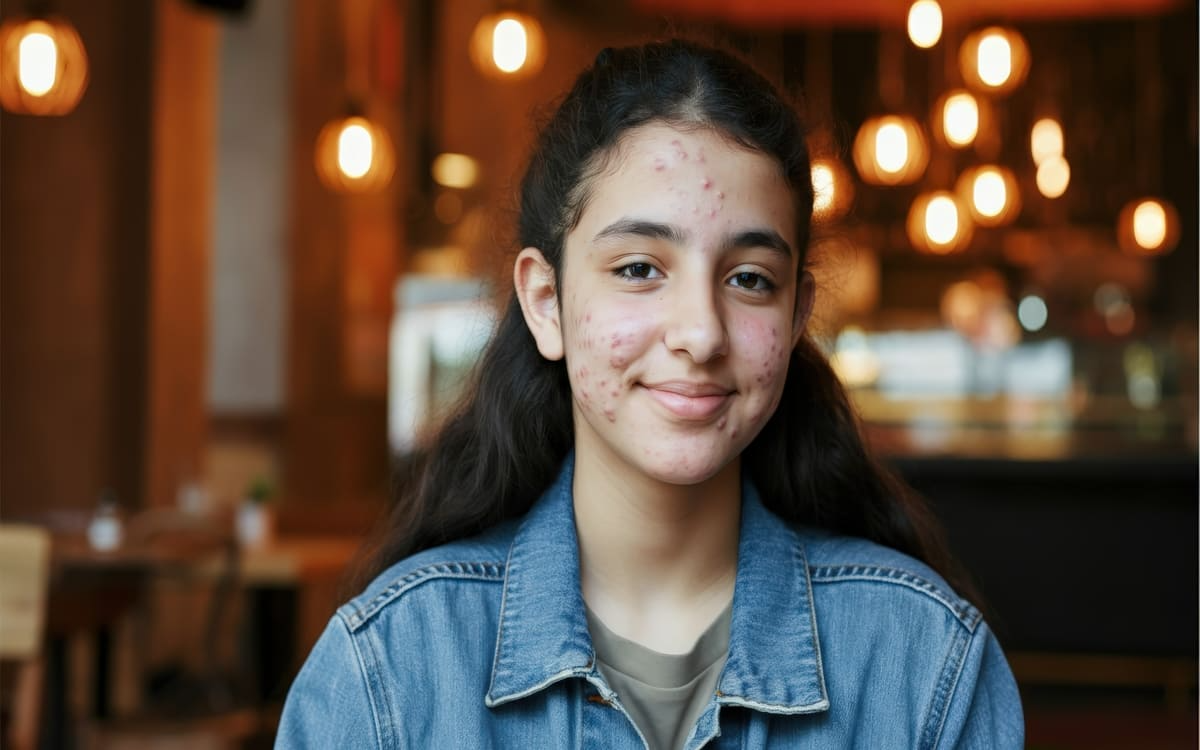
- Acne: Deep, cystic pimples along the jawline or chin
- Thinning scalp hair (androgenic alopecia)
Diagnostic Tests Your Doctor May Recommend:
- Total and free testosterone levels
- DHEAS (Dehydroepiandrosterone sulphate)
- Androstenedione
- LH:FSH ratio (supportive, not diagnostic)
Where Does PCOS-Related Acne Typically Appear?
Acne in PCOS has a characteristic hormonal pattern, typically showing up on:
- The jawline and chin
- Lower cheeks
- Occasionally, the upper back and shoulders
This acne tends to be deeper and more resistant to over-the-counter solutions.
Managing Facial Hair and Acne in PCOS
1. Support Hormonal Balance
Treatments often include hormone-regulating medications to reduce androgen production. These are prescribed based on clinical needs and fertility goals.
2. Tackle Insulin Resistance
Improving insulin sensitivity can naturally reduce androgen levels:
- Choose a low-glycaemic diet rich in vegetables, whole grains, and millets
- Exercise for at least 30 minutes daily
- Prioritize sleep and stress reduction
Even modest weight loss can significantly lower androgen levels and improve symptoms (2).
3. Adopt a Gentle Skincare Routine
- Use non-comedogenic products
- Avoid harsh scrubs or excessive washing
- Dermatologists often recommend azelaic acid, niacinamide, or salicylic acid for hormonal acne
Consistency is key — results may take 2–3 months to appear.
4. Manage Facial Hair Safely
Options include:
- Laser hair reduction: Long-term solution for coarse facial hair
- Prescription creams: Slows regrowth over time
- Threading/waxing: Temporary relief, but may irritate skin
A Balanced Approach to Managing Skin Symptoms
PCOS is a lifelong condition, but it can be managed. Addressing insulin resistance, supporting hormonal balance, and using the right skincare and hair removal options can make a visible difference over time.
You can't completely cure PCOS, but with informed strategies and a personalised plan, you can regain control over your symptoms, including those that affect your skin and confidence.
References
- The Role of Insulin in Hyperandrogenism – The Journal of Clinical Endocrinology & Metabolism
- Effectiveness of Lifestyle Modification in Polycystic Ovary Syndrome Patients with Obesity: A Systematic Review and Meta-Analysis - PubMed Central
- Hirsutism, Normal Androgens and Diagnosis of PCOS
Frequently Asked Questions (FAQs)
1. Why does PCOS cause facial hair?
High androgen levels stimulate hair follicles, particularly in areas such as the chin and upper lip, resulting in darker, thicker growth, commonly referred to as hirsutism. Around 65–75% of women with PCOS experience this symptom (3).
2. Does every woman with PCOS have acne or facial hair?
No. PCOS affects each woman differently. Some experience skin changes, while others may have irregular periods or fertility issues without any visible signs.
3. What kind of acne appears in PCOS?
Typically deep, painful, and cystic — often around the jawline and chin. It may persist longer than regular acne and flare around your menstrual cycle.
4. Will treating acne and hair growth cure PCOS?
Treating symptoms can improve your quality of life, but PCOS is a complex hormonal condition. Addressing the root cause, especially insulin resistance, is necessary for long-term improvement.
5. Are laser treatments safe for PCOS facial hair?
Yes, when done under medical supervision. Laser hair reduction is most effective on darker hair and typically requires multiple sessions for sustained results.
Related Post
Understanding Weight Gain in PCOS: Causes and Clinical Management Approaches
PCOS and Fertility: Current Approaches to Enhancing Conception Outcomes
PCOS in Your 20s vs 30s: How Symptoms and Priorities Evolve