Everyday Indian ingredients that support hormone balance and metabolic health in PCOS
Polycystic Ovary Syndrome (PCOS) is one of the most common hormonal disorders affecting Indian women today. Its symptoms — irregular periods, acne, weight gain, and insulin resistance — often need long-term lifestyle changes for effective management. While medications and exercise play key roles, your kitchen can be just as powerful.
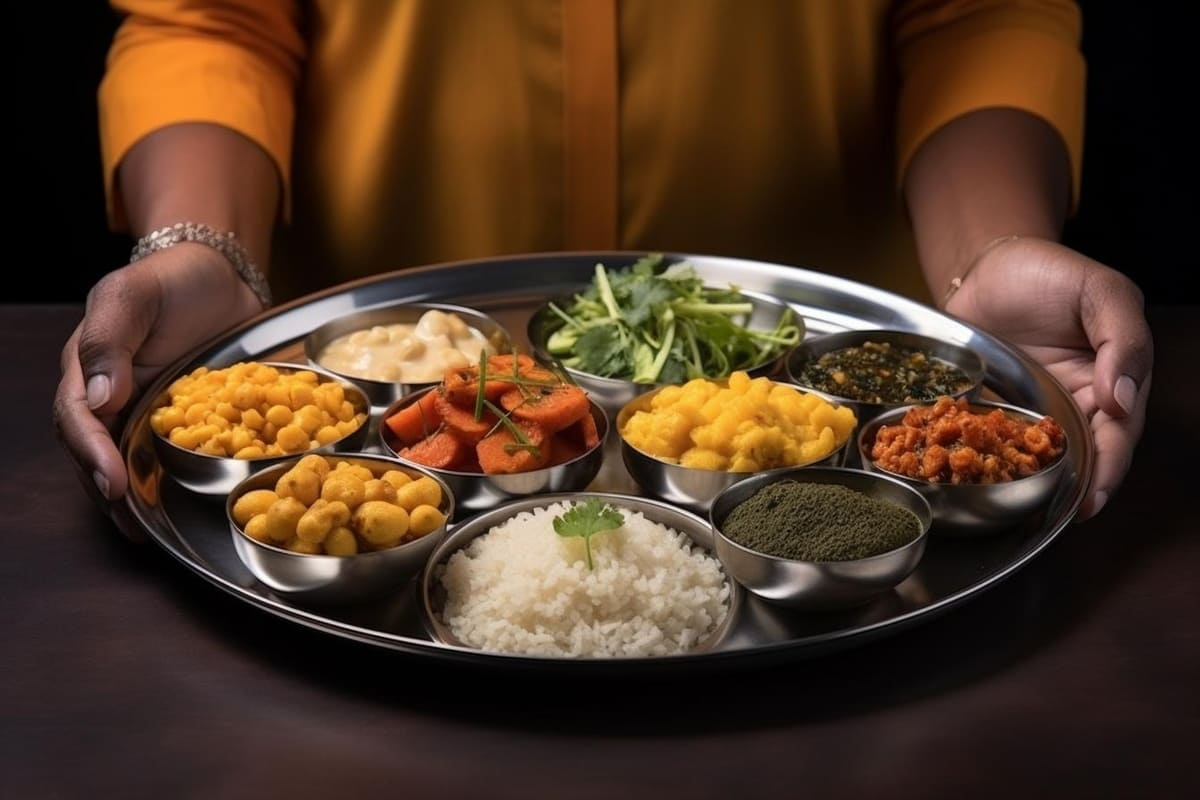
Traditional Indian foods like methi, turmeric, amla, and millets have long been used for their metabolic and anti-inflammatory benefits. Backed by emerging science, these foods are now gaining recognition in modern nutritional management of PCOS. In this blog, we explore how incorporating these ingredients can help support hormonal balance and gradually correct PCOS-related imbalances — naturally and sustainably.
Why Traditional Indian Foods Work for PCOS
Traditional diets, particularly Indian ones, are rich in plant-based diversity, low-glycaemic staples, and naturally anti-inflammatory spices. When adapted to modern PCOS-friendly principles — such as lowering refined carbs and balancing protein — Indian ingredients offer several benefits:
- Improve insulin sensitivity
- Reduce chronic inflammation
- Support hormonal regulation
- Aid in weight and appetite control
- Provide essential micronutrients like zinc, magnesium, and iron (1)
Top Indian Ingredients That Help Manage PCOS
1. Methi (Fenugreek) Seeds
Why it works: Fenugreek contains soluble fibre that slows sugar absorption and may improve insulin function. Studies show fenugreek extract may aid in reducing ovarian volume and restoring menstrual cycles in PCOS (2).
How to consume: Soak 1 tsp of seeds overnight, and drink the water in the morning. Add powdered methi to rotis or curries.
2. Turmeric (Haldi)
Why it works: Curcumin, the active compound in turmeric, has strong anti-inflammatory and antioxidant properties. It helps reduce insulin resistance and may lower androgen levels — both critical in PCOS management (3).
How to consume: Use freshly ground turmeric in cooking or take with warm water and black pepper (which enhances absorption).
3. Amla (Indian Gooseberry)
Why it works: Amla is rich in Vitamin C and polyphenols. It supports liver detox, improves lipid profiles, and may reduce oxidative stress — often elevated in PCOS (4).
How to consume: Fresh amla juice in the morning, dried amla pieces as a snack, or in chutneys.
4. Cinnamon (Dalchini)
Why it works: Cinnamon helps reduce fasting blood sugar and improves insulin sensitivity. Clinical studies show its supplementation is associated with improved menstrual regularity in women with PCOS (5).
How to consume: Add ½ tsp of cinnamon to herbal teas, oats, or smoothies.
5. Flax Seeds
Why it works: Flax seeds contain lignans that may help balance oestrogen levels and reduce androgens. They’re also a good source of omega-3s and fibre (6).
How to consume: Add 1 tbsp ground flax to buttermilk, yoghurt, or morning smoothies.
6. Millets (Ragi, Bajra, Jowar)
Why they work: Millets are gluten-free, low-GI, and rich in magnesium — which helps regulate insulin and reduce inflammation. Compared to white rice or wheat, they offer better blood sugar control.
How to consume: Ragi porridge, bajra rotis, or jowar khichdi make great alternatives to refined grains.
7. Leafy Greens (Palak, Methi Saag, Bathua)
Why they work: Rich in folate, iron, and antioxidants, green vegetables help improve metabolism and counter deficiencies common in Indian women with PCOS.
How to consume: Cook lightly with minimal oil as part of daily meals. Use palak in dals, methi in rotis, and bathua in parathas or saag.
8. Tulsi (Holy Basil)
Why it works: Tulsi supports blood sugar control and reduces cortisol — the stress hormone that often worsens PCOS. It also has antimicrobial and hormone-modulating properties.
How to consume: Chew 2–3 fresh leaves in the morning or brew into herbal tea with ginger and cinnamon.
9. Sesame Seeds (Til)
Why they work: Sesame is high in zinc, magnesium, and lignans. These nutrients support hormone production, reduce bloating, and may ease PMS symptoms associated with PCOS.
How to consume: Add roasted sesame seeds to salads, chutneys, or sprinkle over porridge. Use til laddoos (with minimal jaggery) as an occasional snack.
Can These Foods Cure PCOS?
It’s important to clarify that PCOS cannot be completely cured. However, incorporating these foods into your daily meals can help correct underlying metabolic and hormonal imbalances over time — especially when combined with physical activity and medical guidance. Many women see improvements in:
- Menstrual cycle regularity
- Skin and hair symptoms
- Weight management
- Fertility outcomes
- Energy and mood
Reclaiming Balance Through Traditional Foods
By focusing on traditional, whole foods rather than restrictive fad diets, Indian women can take charge of their metabolic and hormonal health. Small, evidence-based dietary shifts rooted in Indian nutrition can make a big difference in symptom control.
This approach supports the broader goal to better manage — and gradually correct PCOS-related imbalances through sustainable lifestyle changes.
References
- Monash PCOS Guidelines
- Effect of Fenugreek on PCOS – International Journal of Medical Sciences
- Curcumin and Insulin Resistance – International Journal of Endocrinology and Metabolism (IJEM)
- Clinical evaluation of Emblica Officinalis Gatertn (Amla) in healthy human subjects: Health benefits and safety results from a randomized, double-blind, crossover placebo-controlled study - PMC
- Cinnamon for Menstrual Regulation – American Journal of Obstetrics and Gynecology
- Flaxseed Benefits in Hormonal Imbalance – Journal of Ovarian Research
Frequently Asked Questions (FAQs)
1. Is methi (fenugreek) really effective for PCOS?
Yes. Clinical studies have shown that fenugreek seed extract may help reduce ovarian cysts and improve insulin sensitivity. It’s especially useful for Indian women managing cycle irregularities.
2. Can turmeric really balance hormones in PCOS?
Turmeric’s active compound curcumin helps reduce inflammation and oxidative stress — both of which worsen hormonal imbalance. While it doesn’t act like medicine, consistent use has shown supportive effects.
3. What are the best Indian home foods to include daily?
Daily staples like turmeric, methi, cinnamon, flaxseed, leafy greens, and millets are ideal. These help regulate insulin, reduce inflammation, and improve gut health.
4. Is amla good for PCOS-related hair fall?
Yes. Amla is rich in antioxidants and Vitamin C, which support collagen production, scalp health, and immune strength — all of which can indirectly reduce hair fall.
5. What is the best Indian breakfast for PCOS?
Try besan chilla with chutney, boiled eggs with vegetable upma, or millet porridge with nuts and seeds. Avoid sugary cereals or maida-based foods like toast or bakery items.
6. Can I take herbal powders or Ayurvedic formulations?
You may come across Ayurvedic remedies, but use caution. While ingredients like ashwagandha or shatavari are culturally referenced, they should only be taken after consulting a gynaecologist or nutritionist. Dietary changes with proven foods like methi and turmeric should remain your first line of lifestyle care.
Related Post
Sleep and PCOS: What Science Says About the Hormone Connection
The Science Behind Inositol and PCOS Management
The Link Between Stress and PCOS: Understanding the Hormonal Impact